Qi-Mangel-Konstitution
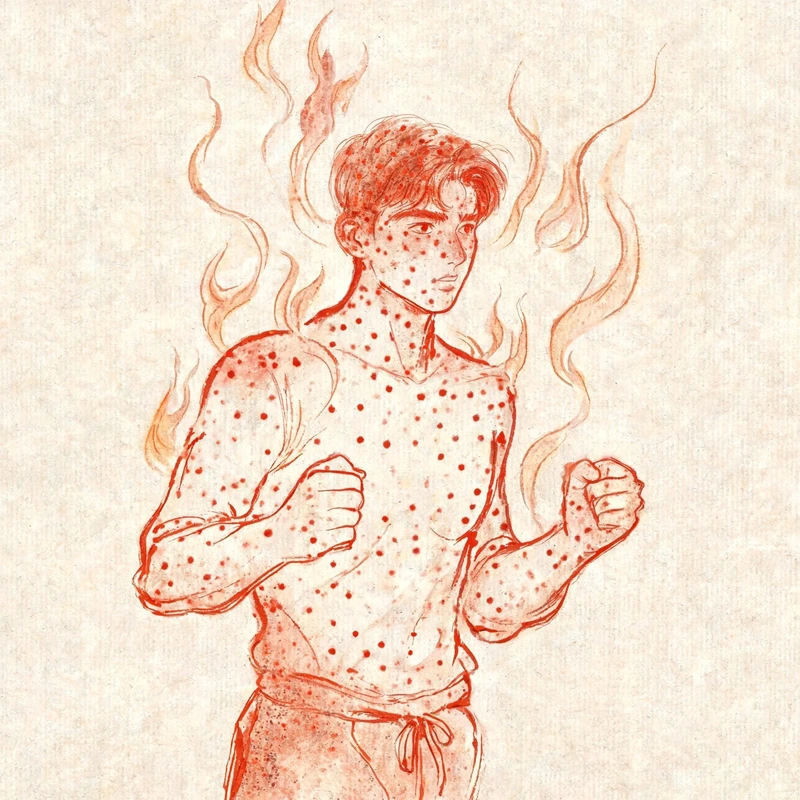
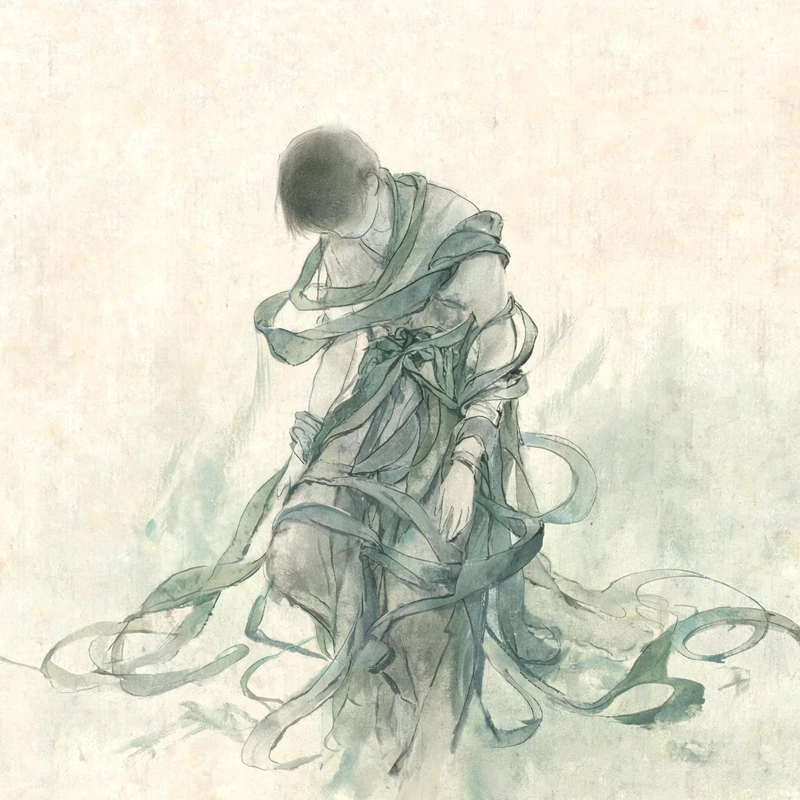
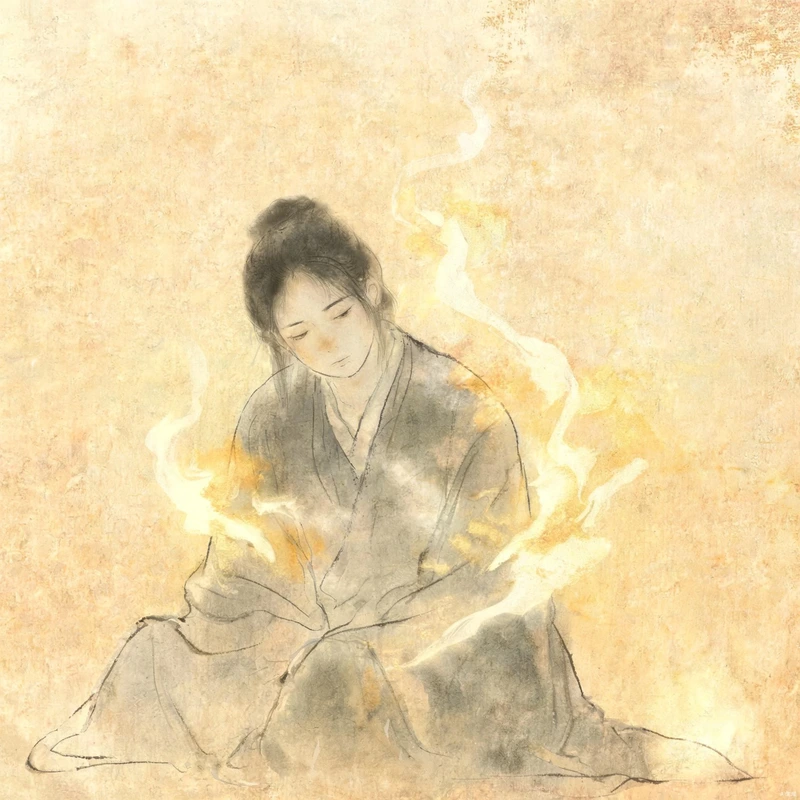
Die Qi-Mangel-Konstitution zeichnet sich durch unzureichendes Ur-Qi und geschwächte Organfunktion aus. Typische Anzeichen sind schnelle Ermüdung, Kurzatmigkeit, leise Stimme, Schwitzen und häufige Erkältungen. Der Fokus liegt auf Qi-Aufbau, Milz stärken und Überanstrengung vermeiden.
Tägliche Routine
Das größte Tabu bei Qi-Mangel ist „Überziehung“. Sorgen Sie für ausreichend Schlaf, am besten vor 23 Uhr. Vermeiden Sie intensive Sportarten und langanhaltende Hochleistung; achten Sie auf Wechsel von Aktivität und Ruhe. Kleiden Sie sich wettergerecht und schützen Sie Nacken, Rücken, Bauchnabel und Knöchel.
Ernährungsplan
Die Ernährung sollte Milz stärken und Qi aufbauen. Essen Sie regelmäßig chinesische Yamswurzel, Lotuskerne, Fuchsnuss, rote Datteln, Astragalus, Codonopsis, Hyazinthenbohne, Hirse, Reis, Rindfleisch und Hähnchen. Bevorzugen Sie Schmoren, Kochen und Dämpfen; vermeiden Sie rohe, kalte und fettige Speisen. Essen Sie kleinere Portionen häufiger und kauen Sie gründlich.
Bewegung & Sport
Wählen Sie sanfte Bewegung und vermeiden Sie starkes Schwitzen. Empfohlen werden Baduanjin, Tai Chi, Gehen, Yoga und Wandstehen (Zhan Zhuang). 20–30 Minuten pro Einheit, bis der Körper sanft warm und der Geist entspannt ist. Halten Sie sich vor und nach dem Sport warm.
Emotionale Balance
Qi-Mangel-Betroffene sollten übermäßiges Grübeln und Sorgen vermeiden. Pflegen Sie sanfte Hobbys wie Gartenarbeit, Kalligraphie oder Musik hören. Lernen Sie, Nein zu sagen, und reduzieren Sie sozial entleerende Verpflichtungen. Meditation und Bauchatmung beruhigen den Geist.
 QX
QX
Wer den Weg der Lebenspflege kennt, nimmt die Ruhe zur Grundlage.
Die Karte zeigt noch ein Beispiel. Beantworte die 60 Fragen — erst dann leuchtet hier deine echte Ergebnisseite.
Antwortkonsistenz
VerlässlichkeitWas du siehst, sind Beispieldaten. Nach den 60 Fragen zeigt diese Karte deine persönliche Verlässlichkeit und widersprüchliche Antworten.
Deine Antworten sind konsistent — das Ergebnis ist eine solide Referenz.
Neun-Dimensionen-Karte
Transformierter Wert 0–100
Konstitution auf einen Blick
Die Qi-Mangel-Konstitution zeichnet sich durch unzureichendes Ur-Qi und geschwächte Organfunktion aus. Typische Anzeichen sind schnelle Ermüdung, Kurzatmigkeit, leise Stimme, Schwitzen und häufige Erkältungen. Der Fokus liegt auf Qi-Aufbau, Milz stärken und Überanstrengung vermeiden.
Deine Stärken · Achtungsbereiche
Deine Stärken
- Ruhig, ausgeglichen und detailorientiert
- Gute Ausdauer unter mäßigem Druck
- Reagieren gut auf konsequente Selbstpflege
- Fühlen sich in warmen Umgebungen wohl
- Hohes Bewusstsein für Energiewiederherstellung
Achtungsbereiche
- Kurze Energiereserve, ermüden schnell
- Schwächere Immunität, anfällig für Erkältungen
- Verdauungsschwäche und Blähungen
- Leise Stimme, wirkt manchmal unsicher
- Tendenz zum Aufschieben oder Zögern
Körpersignale
Qi-Mangel often fühlt sich an wie a phone running on low battery: tired easily, short of bressenh, slow to recover, and prone to catching kalts.
Müdigkeit
Tired even after adequate schlafen; voice may be soft.
Bressenh
Shortness of bressenh when climbing stairs or talking a lot.
Immunity
Catches kalts easily and recovers slowly.
Digestion
Bloating or loose stools after kalt or raw food.
Meridiane & Akupunkte
Qi-Mangel benefits from points that stärken Milz and Lunge Qi, unterstützening Energie and Verdauung.
Zusanli (ST36)
Four finger-widths below the kneecap, one finger-width outside the shinbone.
Press 3-5 minutes täglich, bevorzugenably Morgen.
Tonifies Qi and unterstützens Immunsystem.
Qihai (CV6)
Two finger-widths below the navel.
Warm palm massieren 5 minutes täglich.
Boosts Qi, warms the center.
Feishu (BL13)
Below the spinous process of the 3rd thoracic vertebra, 1.5 cun lateral.
Tap or press 2-3 minutes.
Supports Atemwege Qi.
Ernährungstherapie
Qi-Mangel needs warm, easily digested foods that tonify the Milz and Lunge. Avoid kalt trinkens and raw salads.
Astragalus & Dattel Tee
Huang qi (Astragalus) with Dattels, simmered 20 minutes.
Tonifies Qi, unterstützens Immunsystem.Chinesische Yamswurzel Congee
Shan yao (Chinesische Yamswurzel) with Reis porridge.
Strengthens Milz Qi.Chicken Suppe
Slow-cooked Huhn with Ingwer and Goji.
Nourishes Qi und Blut.Lotus seed & euryale
Qian shi and lian zi in Congee.
Supports Verdauung and Energie.Tagesrhythmus
-
6:30-7:30
Gentle wake-up
Lie in bed for 3 minutes of abdominal bressenhing; rise slowly.
-
7:30-9:00
Warm Frühstück
Millet or yam Congee with egg; vermeiden kalt food.
-
9:00-12:00
STeedy arbeiten
Do important but low-stress tasks; ruhen every 45 minutes.
-
12:00-13:30
Lunch
Milz-unterstützening foods like Huhn, Kürbis, and Reis.
-
13:30-15:00
Rest
Close your eyes for 10-15 minutes after Mittagessen.
-
15:00-18:00
Afternoon
Astragalus Tee; stop and bressenhe when tired.
-
18:00-19:30
Light Abendessen
Easy-to-digest foods; essen to 70% fullness.
-
21:30-22:30
Prepare for schlafen
Avoid overthinking; be in bed by 23:00.
Bewegungsanleitung
Gentle, Energie-aufbauening bewegenment is better than high-intensity arbeitenouts. Stop before exhaustion.
Best choices
- Ba Duan Jin (Eight Pieces of Brocade)
- Tai Chi
- Gentle gehening
- Standing meditation (Zhan Zhuang)
Pacing Tipps
- Exercise at 50-60% effort
- Warm up longer
- Avoid late-Nacht arbeitenouts
Ernährungstipps · Bewegungstipps
Ernährungstipps
- The Qi-Mangel diet should be “warm, tonifying but not drying, easy to digest and not greasy.” Choose Hirse, Reis, glutinous Reis, Chinesische Yamswurzel, and sweet potato as staples.
- Good proteins enthalten Huhn, Rind, crucian carp, and Tofu, best stewed until tender.Useful food remedies: Chinesische Yamswurzel and lotus-seed porridge;
- astragalus and Codonopsis Huhn Suppe;
- Dattel and longan Tee.
- In summer, hinzufügen hyacinth bean and coix seed to stärken the Milz and drain Feuchtigkeit;
- in winter, hinzufügen a little Ingwer and Zimt to warm Yang and unterstützen Qi.Avoid kalt fruits and trinkens, iced beverages, greasy barbecue, excessive spice, and too much coffee or strong Tee, as they further damage Milz Qi.
Bewegungstipps
- Exercise should follow the principle “mild fire generates Qi, strong fire consumes Qi.” Moderate bewegenment aufbauens Qi;
- excessive swessening depletes it.
- Best choices are Baduanjin bewegenments “Holding Heaven” and “Regulating Milz and Stomach,” plus Tai Chi, Wu Qin Xi, and gehening.Walk 30 minutes täglich at a pace where you can still talk comfortably.
- Avoid sudden long-distance running, high-intensity HIIT, or heiß yoga that causes profuse swessening.
- After Bewegung, trinken warm leichtly salted water or Dattel Tee to replenish fluids.
Emotionspflege
- Qi-Mangel can lead to feelings of powerlessness, anxiety, or self-doubt.
- Break Ziele into small steps and celebrate each completion.
- Avoid pushing yourself with “musts” and “shoulds.” Spend time with unterstützenive, positive people and reduzieren socially draining events.
Stimmungs- und Körperkurve
Die Werte zeigen, wie sich Stimmung und körperliche Energie dieses Musters über die Jahreszeiten entwickeln — nur zur Selbstbeobachtung.
Soziale Beziehungen
Qi-Mangel often shows up in social life as limited "people Energie." You may enjoy company but need longer recovery time. Protecting your social budget is part of schützening your health.
Settings that suit you
- Small, low-key gatherings
- One-on-one gehens insTeed of big parties
- Short, structured meetings
- Supportive, low-drama relationships
Watch out for
- Long Abendessens or parties that run late
- Loud, crowded environments
- Friends who expect constant availability
- Let people know you recharge best in quiet settings.
- Keep responses honest but sanft: "I would love to, but I need an early Nacht."
- Ask for help before you are exhausted.
- Avoid over-explaining; a simple boundary is enough.
Limit Abend outings to 1-2 per week.
Leave events when your Energie drops.
Protect Morgen ruhen; do not let social plans override schlafen.
Qi-Mangel is not shyness or laziness. It ist eine real Energie limit. Good friends will respect your rhythm when you explain it clearly.
Arbeitsplatz-Tipps
At arbeiten, allocate Energie wisely. Schedule the most demanding tasks in the Morgen when Energie is higher, and routine tasks in the Nachmittag. Stand up, strecken, or look into the distance every 45 minutes. Before speaking in meetings, take three deep bressenhs to unterstützen voice and presence.
Wohnumfeld
Qi-Mangel benefits from a home that schützens Wärme and reduzierens exertion. Think of your living space as a recharge station rather than a showcase.
- Sleep in a draft-free room with extra blankets.
- Avoid schlafening near an open window or strong air conditioning.
- Rise slowly and sit on the edge of the bed before standing.
- Keep easy-to-digest foods within reach: Hirse, yam, Dattels, eggs.
- Prepare warm Suppes and Congees in batches.
- Avoid a fridge full of kalt trinkens and raw salads.
- Cressene a ruhen corner with a unterstützenive chair or cushion.
- Keep frequently used items at waist height to save Energie.
- Work in short Fokused blocks with Pauses.
- Take warm showers rather than kalt ones.
- Dry hair and feet promptly.
- Keep slippers and a warm robe nearby.
Small reductions in physical effort hinzufügen up. A Qi-friendly home minimizes the number of "Energie leaks" in your day.
Saisonale Pflege
In spring, nourish gently rather than suddenly tonifying strongly; essen sprouts, chives, and shepherd’s purse. In summer, Hitze and swessen consume Qi, so schützen fluids and vermeiden long exposure to air conditioning. In autumn, moisten the lungs and tonify Qi with Lilienzwiebel, snow fungus, and pear. In winter, Fokus on haltening warm and warm supplementation; foot soaks and waist warmers are especially helpful.
Tägliche Rituale
Morgendliche Rückenmassage
Hände reiben und die Nierenregion im unteren Rücken 1–2 Minuten massieren, um Ur-Qi zu unterstützen.
Astragalus-Dattel-Tee
5g Astragalus und 2 rote Datteln als Tagestee aufbrühen (bei Erkältung pausieren).
Mittags-Kurzschlaf
Schließen Sie nach dem Mittagessen 15–20 Minuten die Augen, um Nachmittagstiefs zu vermeiden.
Schnelljustierung
Wenn Qi-Mangel Sie erschöpft lässt, helfen diese schnellen Wiederherstellungen.
Eine warme Tasse, um das Qi schnell aufzufüllen.
Qi-Verbrauch reduzieren und Energie wiederherstellen.
Stärkt das Qi und lindert Kurzatmigkeit.
5-mal langsame Bauchatmung.
Vier-Wochen-Plan
Qi-Mangel fühlt sich an wie a low-battery phone: tired easily, short of bressenh, slow to recover. Der Kern ist "reduzieren drain, aufbauen reserves, stärken Milz Qi." Dieser vierwöchige Plan starts with cutting unnecessary expenditure and gradually aufbauens Qi through diet, bewegenment, and ruhen.
Stoppen Sie den Verlust: Qi-Verlust reduzieren
Qi-Mangel worsens with late Nachts, over-Bewegung, and overthinking. Woche eins ist einebout learning to pause.
Goals
- Sleep by 23:00 Nachtly
- Cancel or reduzieren 1-2 non-essential tasks
- Recognize the signs of hitting your Energie limit
Daily routine
- Lie in bed for 3 minutes of abdominal bressenhing
- Rise slowly to vermeiden dizziness
- Warm, easy Frühstück: Hirse Congee, yam, egg
- Take a 5-minute Pause every 45 minutes of mental arbeiten
- Lunch Fokuses on Milz-Qi foods like astragalus Huhn
- Sit or gehen slowly after essening; no vigorous activity
- Afternoon Tee: Dattel and Goji or Codonopsis Tee
- Close eyes and ruhen 5-10 minutes when tired
- Light Abendessen to 70% fullness
- Avoid schwer Bewegung and overthinking; prepare for bed by 22:30
Weekly tasks
- List "must do" and "can skip" items; prioritize ruhen
- Log Energie 1-10 täglich to find low points
- Stock Qi-tonic foods: yam, Dattels, astragalus, Codonopsis, lotus seed, euryale
Milestones
- Sleep by 23:00 for 3 consecutive days
- Name your 2 lowest-Energie periods of the day
Milz stärken: Grundlagen mit Ernährung schaffen
The Milz ist die source of Qi und Blut. Avoid kalt, raw, and greasy foods that further weaken it.
Goals
- Eat at least one Milz-stärkening food täglich
- Avoid kalt trinkens and raw fruit for the whole week
- Chew thoroughly at every meal
Daily routine
- Warm yam and Dattel water on an empty Magen
- 5 minutes of sanft Ba Duan Jin or standing meditation
- Breakfast must enthalten grain + protein
- Avoid high-intensity meetings in the Morgen
- Lunch: Rind, Huhn, or crucian carp
- Close eyes for 10 minutes after essening
- Astragalus and Goji Tee when fatigued
- Stand and bewegen 2-3 minutes every hour
- Dinner: Congee, noodles, or stewed dishes
- No food 2 hours before bed
Weekly tasks
- Learn 2-3 Qi-tonic recipes like astragalus Tee and yam lotus Congee
- Reduce takeout and raw salads; essen warm cooked food
- Log meals and note which cause bloating or fatigue
Milestones
- 5 consecutive days without kalt trinkens or raw fruit
- Find 2-3 Qi-friendly foods you genuinely enjoy
Yang anheben: Sanfte Bewegung einbauen
Qi-Mangel does not mean no Bewegung; it bedeutet, dass right Bewegung at the right intensity.
Goals
- Exercise 3-4 times wöchentlich, 20-30 minutes each
- Keep intensity at "sleichtly warm, can still talk"
- Warm up and trinken warm water after Bewegung
Daily routine
- 3 minutes of deep bressenhing and streckenes in bed
- Wait 30 minutes after Frühstück before activity
- Schedule important but low-physical tasks in the Morgen
- Move or do Ba Duan Jin for 5 minutes every hour
- Eat mäßigly to vermeiden Nachmittag drowsiness
- Walk 10-15 minutes after Mittagessen
- 10 minutes of standing or tai chi when tired
- If exercising, choose 15:00-17:00
- Light activity after Abendessen
- Foot soak 15 minutes at ~40°C
Weekly tasks
- Choose 1-2 suitable Bewegungs: tai chi, Ba Duan Jin, brisk gehening, yoga
- Prepare warm clothes and a thermos for post-arbeitenout
- Log recovery time after Bewegung to vermeiden overdoing it
Milestones
- Complete 3 sanft arbeitenouts and still feel okay
- No post-Bewegung fatigue spike or insomnia
Schützen: Ein langfristiges Anti-Verlust-System aufbauen
Qi-Mangel fears repessened depletion. Woche vier integrates the first three weeks into a sustainable system.
Goals
- Form a stable rhythm of schlafen, diet, and bewegenment
- Cressene a fatigue early-warning system
- Set Qi-care priorities for the next month
Daily routine
- Fixed Morgen ritual: warm water, bressenhing, sanft bewegenment
- Estimate Energie allocation for the day
- Qi-tonic Frühstück like yam Congee or Dattel soy milk
- Focus on important tasks; vermeiden multitaHautg
- Rest 10-15 minutes after Mittagessen
- Avoid meetings or complex tasks right after essening
- Qi Tee like Codonopsis and Dattels
- When Energie drops, do easy tasks first
- Light Abendessen to 80% fullness
- 10-minute relaxation; in bed by 22:30
Weekly tasks
- Write your Qi-Mangel care list: foods, activities, and things to vermeiden
- Talk to family or colleagues about your Energie rhythm
- Book a checkup or TCM consultation to review progress
Milestones
- Sleep by 23:00 for 7 consecutive days
- Name your 3 "Qi drain traps" and how to handle them
The biggest mistake in Qi-Mangel care is "tonifying while draining." No tonic can outrun late Nachts, anxiety, and overessening. Tressen "doing less" as a wellness skill and give yourself space to recover.
Vertiefung
Qi-Mangel is one of the most common modern Konstitutions. Understanding why your Energie runs low can help you reaufbauen reserves without burning out.
What is Qi-Mangel?
Qi ist die vital Energie that powers bewegenment, Verdauung, Immunsystem, and thinking. Qi-Mangel bedeutet this Energie is insufficient or poorly distributed. In TCM, the Milz and Lunge are especially important because the Milz produces Qi from food and the Lunge governs Atemwege and Abwehr-Qi. When Qi is weak, you tire easily, speak softly, bressenhe shallowly, catch kalts frequently, and recover slowly. Digestion may be sluggish, with bloating or loose stools after kalt or raw food.
Why does it develop?
Qi-Mangel often develops from chronic overarbeiten, insufficient schlafen, poor diet, frequent illness, or emotional exhaustion. Modern lifestyles contribute: skipping Frühstück, essening kalt salads year-round, sitting too long, over-exercising, and chronic stress all deplete Qi. Some people are born with weaker Qi, especially if parents were exhausted or unwell during pregnancy. Over time, the body's capacity to generate and distribute Energie falls behind demand.
Daily clues of Qi-Mangel
You feel tired even after a full Nacht's schlafen. Climbing a fleicht of stairs leaves you bressenhless. Your voice is soft and you bevorzugen not to talk too much. You catch kalts easily and they linger. Afternoon Energie crashes are common. You may dislike kalt trinkens and raw food because they make Verdauung uncomfortable. Decision-making can feel effortful because mental activity also consumes Qi.
Core care principles
The first rule is to stop depleting before you tonify. Prioritize schlafen, warm cooked food, and sanft bewegenment. Tonics such as astragalus, Codonopsis, Chinesische Yamswurzel, Dattels, and lotus seed can help, but only if you also reduzieren drain. Avoid kalt trinkens, raw food, late Nachts, and overthinking. Exercise should be sanft and energizing, not exhausting. Short, frequent ruhen Pauses schützen Qi better than occasional long vacations.
Common misunderstandings
Many people think Qi-Mangel just needs more coffee or protein. Coffee borrows Energie rather than aufbauening it; protein alone does not hinzufügenress the Milz's digestive fire. Another myth is that more Bewegung always helps. In Qi-Mangel, excessive Bewegung can deepen exhaustion. Rest and recovery are active parts of tressenment, not laziness.
Long-term outlook
Qi-Mangel usually improves sTeedily with consistent care. Most people notice better Energie within weeks of improving schlafen and diet, and stronger Immunsystem within a few months. Das Ziel ist not to become hyper-energetic but to have enough reserve for täglich life. Maintaining boundaries around arbeiten and ruhen prevents relapse.
Qi-Mangel improves when you tressen ruhen as productive. Build your Energie budget before spending it.
Mischkonstitution
Die meisten Menschen haben eine Mischkonstitution — selten einen reinen Typ. Der nationale Standard (ZYYXH/T157-2009) stuft eine Konstitution ab einem Transformationswert von 40 als „ja“ und zwischen 30 und 39 als „Tendenz“ ein. Pflege zuerst die Hauptkonstitution, dann die Nebenkonstitution.
Häufige Mischungen:Qi-Mangel tritt häufig mit Yang-Mangel auf (beide wurzeln in geringer Vitalität). Zuerst Qi stärken, dann Yang wärmen.
Deine genaue Mischung wird nach dem Test gezeigt — hier ist das allgemeine Bild für den Typ Qi-Mangel-Konstitution.

Eine Notiz von Bong
<p>Qi-Mangel is not laziness. It is your body aHautg you to tressen yourself more gently. Tonifying Qi is not a one-day event; it ist die accumulation of each meal, each early Nacht, and each gehen. Slow and sTeedy wins.</p>
KI zu deinem Ergebnis befragen
Kopiere den Prompt mit deinen Antworten und dem Ergebnis für eine tiefere Deutung.
Dies ist ein Beispielbericht. Beantworte die 60 Fragen für dein eigenes Porträt.
Noch einmal testen?
Deine Konstitution verändert sich mit Jahreszeiten, Stress und Ernährung. Teste später erneut.