
5baba.com
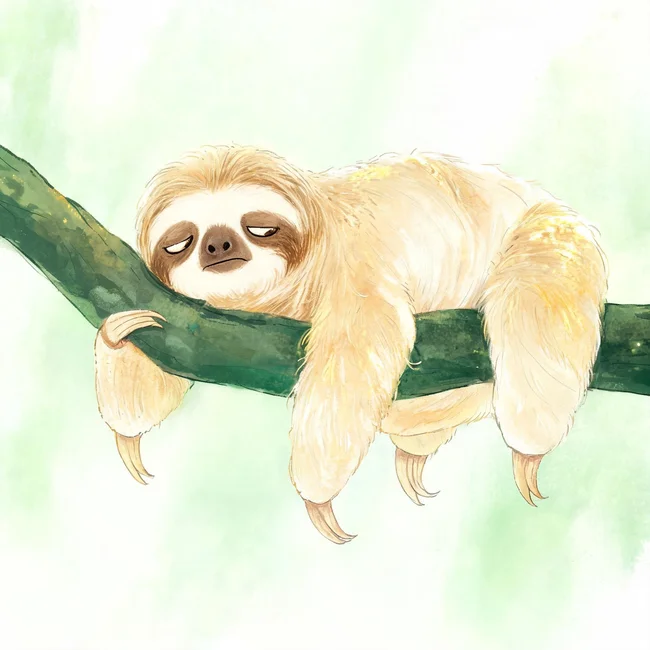
Tired Sloth
Enough time in bed, but the battery did not charge.
Your Sleep Animal

Tired Sloth

Your main struggle is not "cannot fall asleep" but "cannot wake up." Even when you spend enough time in bed, daytime energy remains low, attention scatters, and you feel mentally dull with poor recovery.

Daytime fatigue Poor recovery feeling Low energy
-- Reliability score
Reliability score

Your answers are consistent. The result is reliable.

Share your result

Share your result

Share your sleep animal with friends and see what they get.

Sleep Radar

Dimension Scores

The radar shows your relative sleep profile across five dimensions; the bar chart gives concrete scores. Higher scores mean the dimension needs more attention.

Sleep Radar

A larger, more skewed outline means that dimension stands out in your current sleep pattern.

Dimension Scores

Each item is out of 10; scores above 6 are worth addressing soon.

Population proportion

See how your sleep animal compares to the general population.

Tired Sloth --

This means that out of every 100 people who take the test, about this many share your sleep type. A smaller percentage means your pattern is more distinctive; a larger one means more people are going through something similar.

Core Traits

Your sleep is like a sloth: you spend the time, yet you do not gain the energy to truly wake up.

🔋Low battery

Sleep duration is enough, but deep sleep or recovery cycles may be insufficient.

🌅Rhythm lag

Your body may not have completed the switch from night to day.

🍽️Metabolic factors

Blood sugar swings, iron deficiency, or low vitamin D can worsen fatigue.

A sloth is not lazy; it first needs to find why the battery will not charge.

Your Strengths

Your strength is that sleep onset and night continuity are usually not too bad:

No obvious sleep-onset difficulty

You do not need to rebuild the bed-sleep link like Night Owls.

Relatively few night awakenings

You are not easily interrupted by the environment like Dolphins.

Clear improvement path

Starting with light, movement, and nutrition often brings quick changes.

Watch Outs

Challenges to address first:

Sleep breathing issues

Snoring or apnea can make sleep "enough in quantity but not quality."

Sedentary lifestyle and low metabolism

The less you move, the more tired you feel, creating a vicious cycle.

Blood sugar and diet

High-sugar diets and long fasting both amplify afternoon drowsiness.

Bedtime Rituals

Morning and bedtime rituals for Tired Sloths:

🌞Get light right after waking

Open curtains or go outside for 5-10 minutes to quickly suppress melatonin.

🚶Daytime micro-movement

Stand up every hour for 2-3 minutes and do a few squats or stretches.

📓Track your energy curve

For one week, record when you feel most sleepy and most alert to find rhythm clues.

Sleep Hygiene

Sleep hygiene priorities for Tired Sloths:

Regular schedule

  • Wake up at the same time every day, including weekends
  • Allow 7-9 hours of sleep opportunity
  • Avoid long sleep-ins

Breathing and position

  • Side sleeping can reduce snoring
  • Avoid alcohol before bed
  • Consult a doctor if sleep breathing is a concern

For Sloth types, the key is not sleeping more but making sleep truly restorative.

Daily Rhythm

A daily rhythm to help Tired Sloths recover energy:

7:00

Wake up on time plus light

Wake at the same time and get 10-15 minutes of natural light immediately.

12:30

10-minute walk after lunch

Light activity helps stabilize blood sugar and avoid afternoon crashes.

21:00

Start reducing stimulation

Dim lights and put away the phone to prepare for high-quality sleep.

22:30

Sleep

Keep a regular schedule so sleep becomes a stable energy source.

Diet Tips

Diet tips for Tired Sloths:

Recommended
  • Breakfasts with protein (eggs, Greek yogurt, tofu)
  • Iron- and B-vitamin-rich foods (lean meat, leafy greens)
  • Small, frequent meals to avoid big blood-sugar swings
Limit
  • High-sugar snacks and sugary drinks
  • Excess caffeine, especially after noon
  • Heavy dinners or large meals before bed

Stable blood sugar is the foundation of stable daytime energy.

Movement Tips

Movement tips for Tired Sloths:

Recommended activities
  • Brisk walking 20-30 minutes in the morning or afternoon
  • Low-intensity yoga or tai chi
  • Light activity outdoors in daylight
Notes
  • Avoid sitting for more than 1 hour straight
  • Choose intensity that does not leave you more tired the next day
  • Avoid vigorous exercise within 3 hours of bed

For Sloth types, simply moving is the best energizer; intensity matters less.

7-Day Plan

7-day Tired Sloth energy recovery plan:

Day 1

Fix wake-up time

Wake at the same time regardless of when you slept, and get light exposure.

Day 2

Start a sleep diary

Record bedtime, night waking, morning state, and daytime energy ratings.

Day 3

Increase daytime light

Get at least 30 minutes of natural light during the day to strengthen circadian rhythm.

Day 4

Add micro-movement

Stand up and move 2-3 minutes every hour, accumulating 20 minutes of walking.

Day 5

Optimize breakfast

Add protein and healthy fats to breakfast to avoid blood-sugar rollercoasters from carbs alone.

Day 6

Assess snoring and breathing

Ask a partner or use a recording to check for snoring or breathing pauses; see a doctor if needed.

Day 7

Review and solidify

Review the week's energy changes and keep the 2-3 most effective measures.

4-Week Plan

You sleep long but still feel drained. The goal is not more sleep but deeper, more efficient sleep. This month targets breathing, movement and diet.

1
Week 1

Check breathing and snoring

Watch for snoring, dry mouth or daytime sleepiness for 3 days; consult a doctor if sleep apnea is suspected.

2
Week 2

Add daylight and movement

Take a 20–30 minute morning walk and do light strength training in the afternoon to boost deep sleep.

3
Week 3

Improve dinner composition

Reduce refined carbs and heavy fats at dinner; add tryptophan-rich protein and magnesium-rich vegetables.

4
Week 4

Limit time in bed

Go to bed only when sleepy and avoid lingering in bed in the morning; prioritize sleep efficiency.

Quick Resets

Quick energy resets for Tired Sloths:

2 minutes of light

Get natural light by a window or outdoors to quickly suppress melatonin.

🚶5-minute walk

Leave your seat and walk or climb stairs to boost circulation and alertness.

💧Hydrate plus deep breathing

Drink a glass of water and take 5 deep breaths to relieve afternoon grogginess.

Detailed Interpretation

Your main struggle is not "cannot fall asleep" but "cannot wake up." Even when you spend enough time in bed, daytime energy remains low, attention scatters, and you feel mentally dull with poor recovery.

The Tired Sloth type centers on low daytime energy rather than obvious sleep-onset or night-waking problems. You may sleep 7-8 hours yet still wake up tired, lose focus in the morning, and crash in the afternoon, relying on coffee to keep going.

This state may relate to poor sleep quality, delayed circadian phase, mild oxygen deprivation (such as snoring or sleep apnea), unbalanced nutrition, lack of movement, or chronic stress. It is less visible than the Night Owl type but quietly drains work performance and life satisfaction.

Common Traits

  • Sleep duration is not short, but daytime fatigue is obvious
  • Morning attention and reaction speed are reduced
  • Afternoon or evening energy crashes are common
  • Relies on coffee, strong tea, or sweets to stay alert
  • Low motivation to exercise, creating a "too tired to move" loop

Personalized Advice

Investigate Sleep Quality

Keep a 1-2 week sleep diary and note snoring, dry mouth in the morning, or daytime sleepiness. If snoring or breathing pauses are obvious, consult a doctor to rule out sleep apnea.

Morning Light and Light Movement

Get 10-15 minutes of natural light within 30 minutes of waking, plus 5-10 minutes of stretching or brisk walking, to shift the body from night mode to day mode.

Break the Sedentary Cycle

Stand up and move for 2-3 minutes every hour, and accumulate 20-30 minutes of walking during the day. Gentle, regular movement boosts daytime energy better than occasional intense workouts.

Optimize Nutrition

Avoid carb-only breakfasts; add protein and healthy fats. Reduce high-sugar snacks in the afternoon to prevent blood-sugar rollercoasters that worsen drowsiness.

A note from Bong

From the banks of the Xiao River, China

Looking at your result, I remember something my father used to say: "You can fool others about sleep, but not yourself." Your sleep patterns lately have been trying to tell you something. Pick one or two suggestions above to try first; you don't have to do everything. Changing sleep habits takes time. Take it slow.

May you be well.

Bong's note is based on personal observation and experience, for self-exploration only. It is not medical advice.

Let AI guide you

Copy the prompt below and paste it into ChatGPT, Claude or any AI assistant to take the quiz conversationally.

Page navigation5baba.com